
An island in the Lynher
The Ince peninsula reaches out into the River Lynher, which in the Middle Ages gave St Germans its route to Plymouth Sound and the open sea. The land belonged to the Trematon estate, which from 1337 became part of the Duchy of Cornwall. The name comes from the Cornish enys, an island.
Built on the brink of war
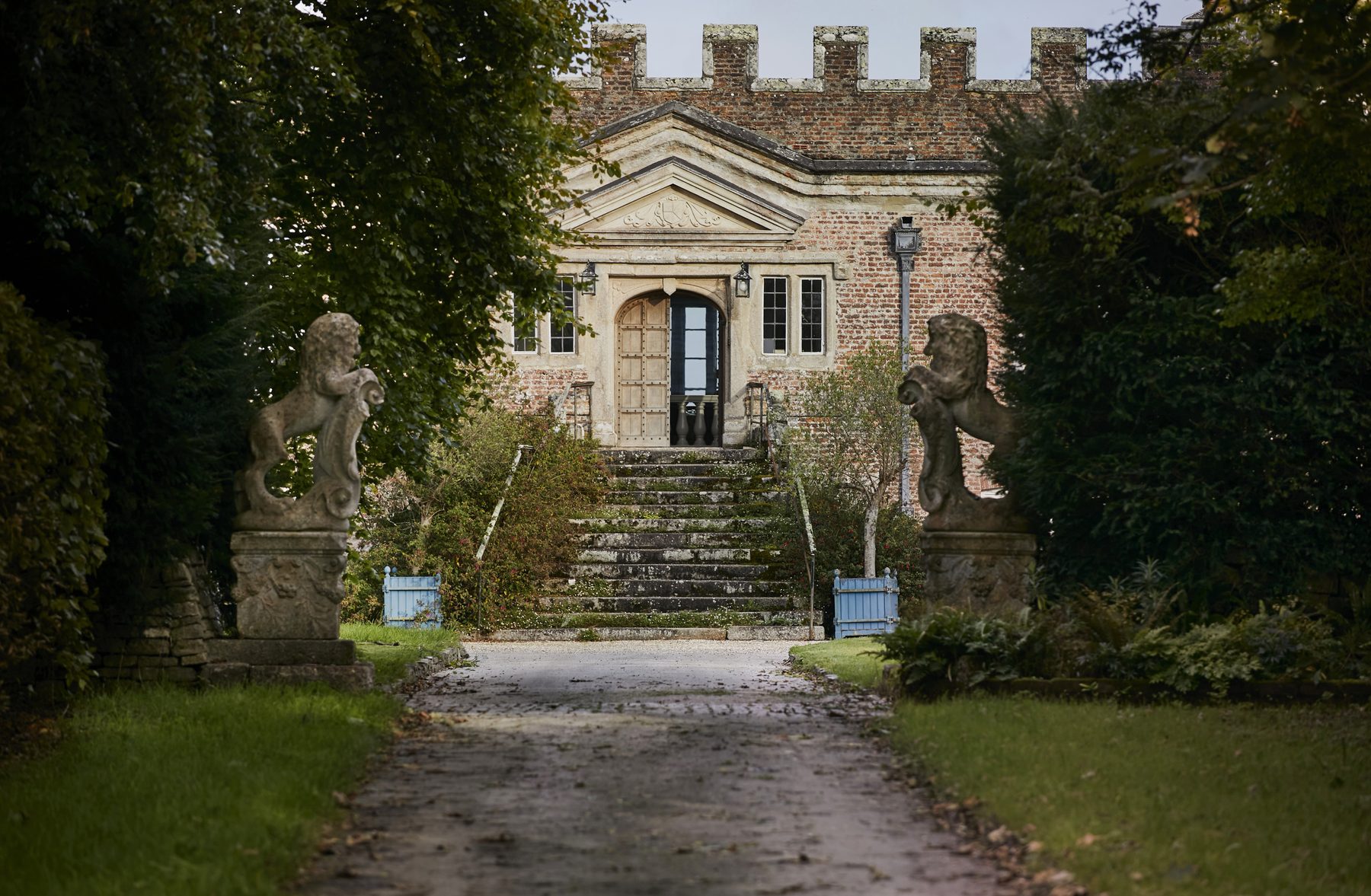
Henry Killigrew, younger son of the Elizabethan diplomat Sir Henry Killigrew, is said to have acquired Ince from the Batten family in 1640. A lawyer's note preserved from an eighteenth-century court case records that he began building that year, at a cost of £1,500, on the site of an earlier house.
Killigrew was a Royalist, and when the Civil War came he held Ince for the King while Plymouth, across the water, stood for Parliament. In 1646 sixty musketeers were sent to take the house, followed by sixty more with light artillery. Ince surrendered within hours and without bloodshed. Killigrew was fatally wounded soon afterwards, firing off weapons after the surrender of another Royalist fort; not realising how badly he was hurt, he sailed for St Malo and died there on 27 September 1646.
Legend has it that Killigrew kept a wife in each of the four towers, none of them aware of the others.
A legend, and nothing more. No document supports it, though it has outlived every owner since.
Nosworthy, and an unfinished design
Around 1650, when the Duchy estates were sold, Ince passed to Edward Nosworthy, a Truro merchant, sometime mayor of Truro and later Member of Parliament for St Ives. A document from the long legal tangle that followed his death says he built the house in 1653 for £2,000. The likeliest account is that Killigrew began it and Nosworthy finished it. In 1684 it was described as a "fair Brecke house".
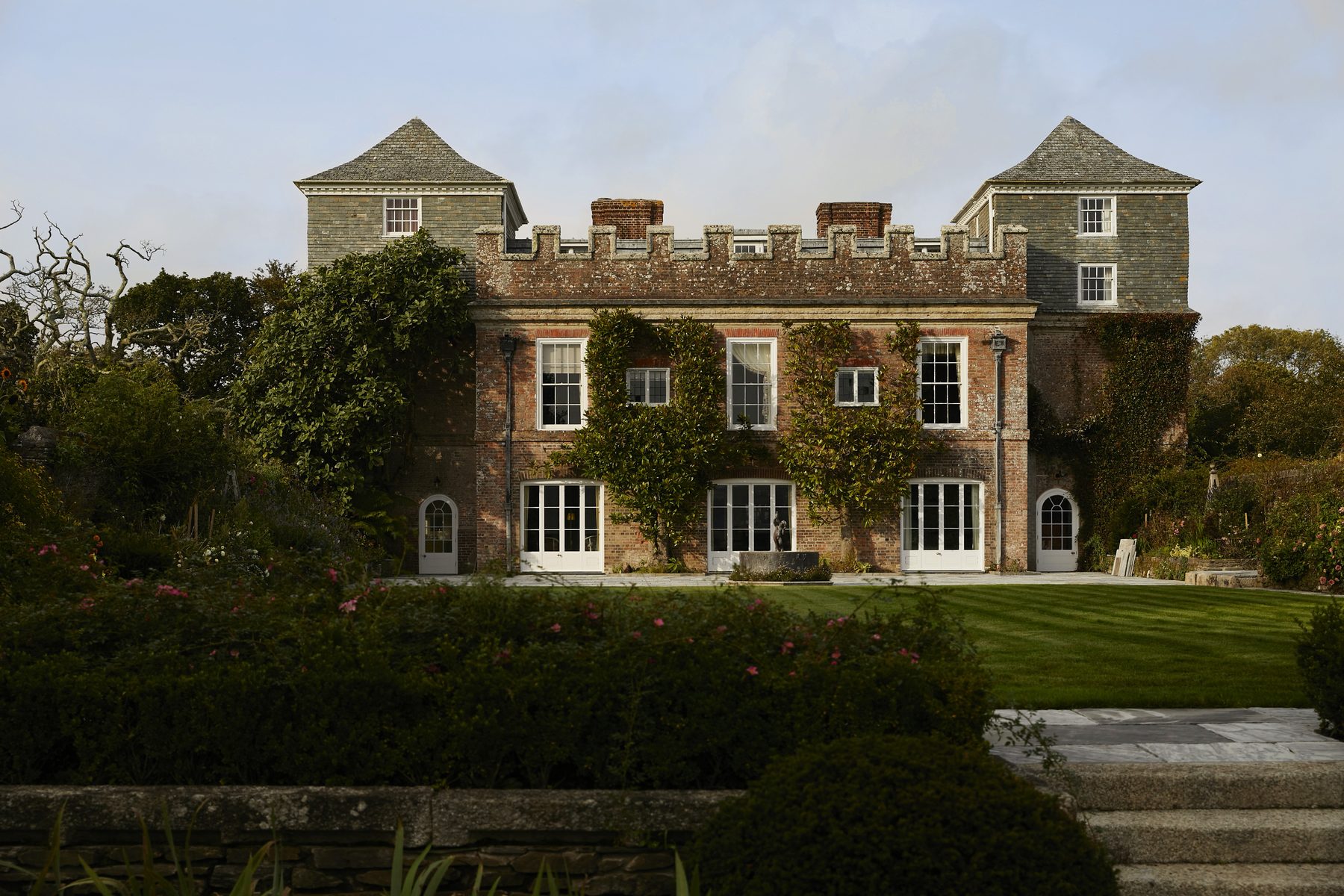
Whether Killigrew meant to build higher will probably never be known. What he left is unusual for its date: a classical house raised on a first-floor piano nobile, with a compact double-depth plan of six rooms that places Ince among the earliest of its type, not long after Inigo Jones's Queen's House at Greenwich. The narrow slits in the towers, long called gun loops, are now thought to have been windows lighting the stairs.
A long quiet
Nosworthy's estate passed through his son's marriage to the family of Sir John Maynard, and in 1711 to Maynard's daughter, Lady Hobart. The house was in poor repair by 1714. In 1727 Edmund Prideaux drew it with its towers still battlemented; by 1805 they had their pyramid roofs. In the mid-eighteenth century Ince was sold to Pendocke Neale of Nottingham, and in 1805 to Edward Smith, whose wife is said to have been a mistress of the Prince Regent. It later passed to Lord Ashburton and, by marriage in 1884, to the Marquess of Northampton.
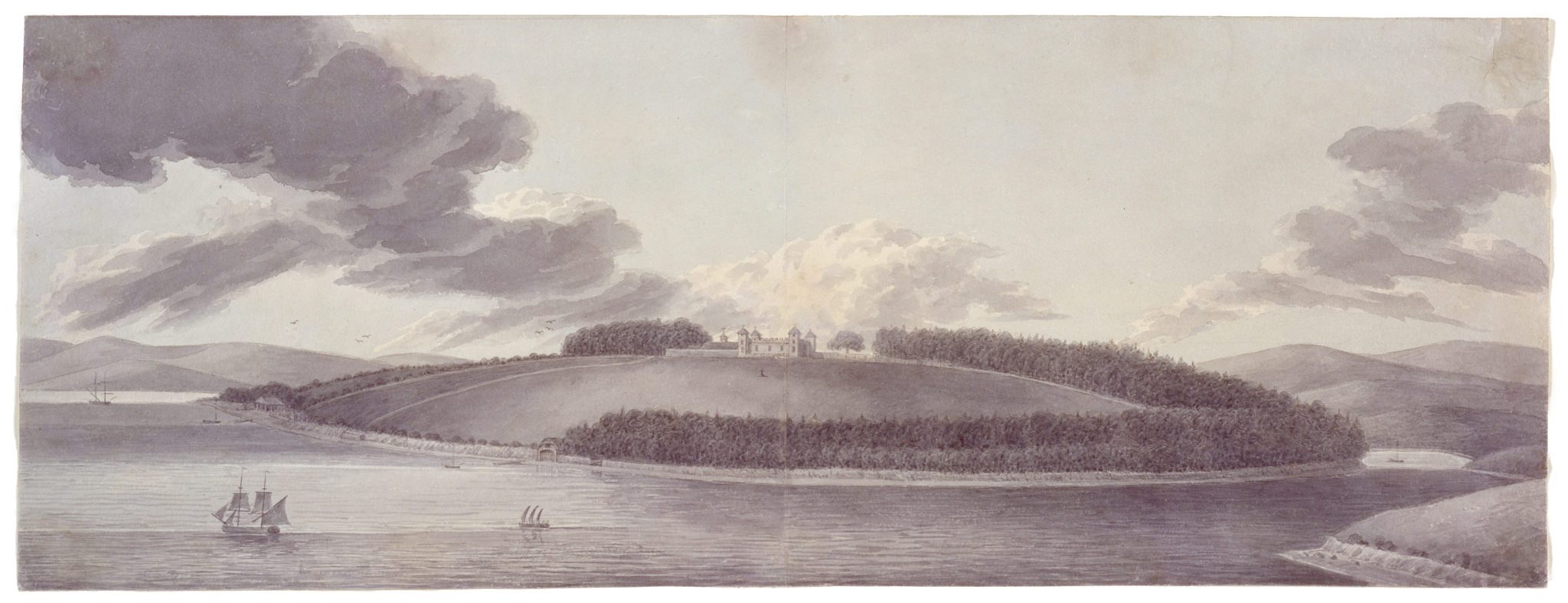
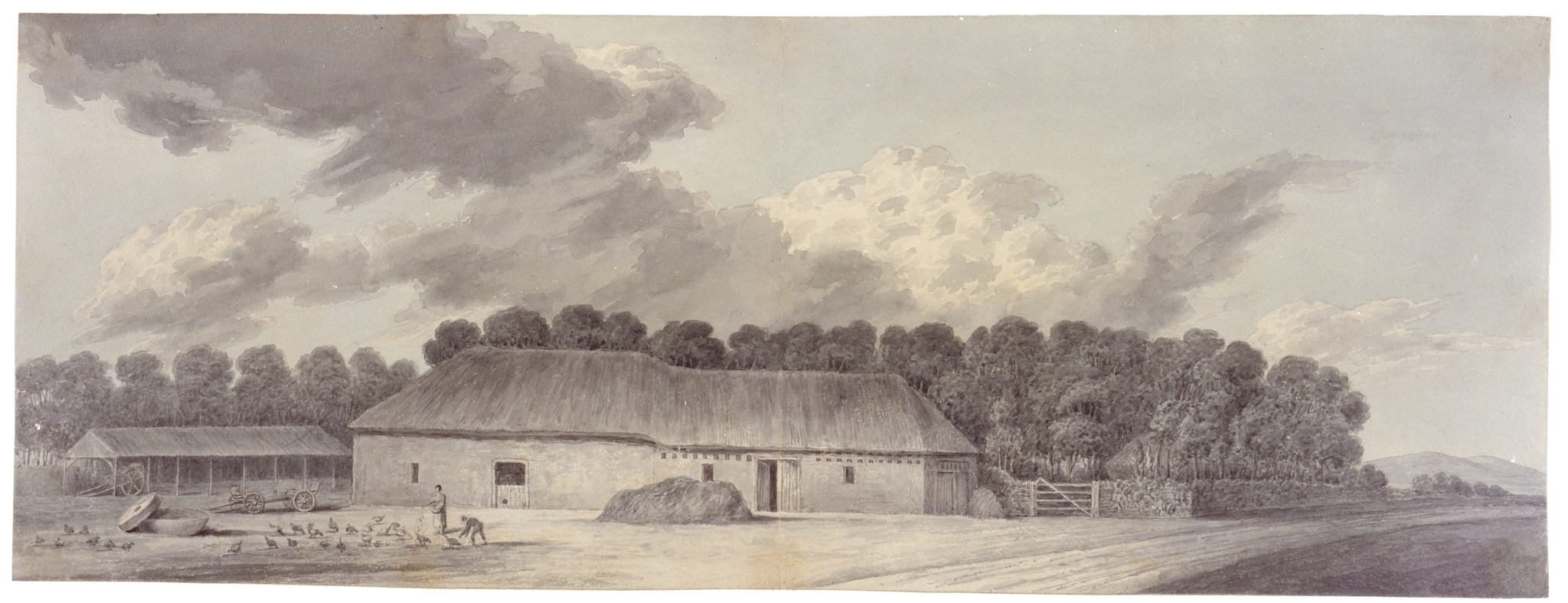
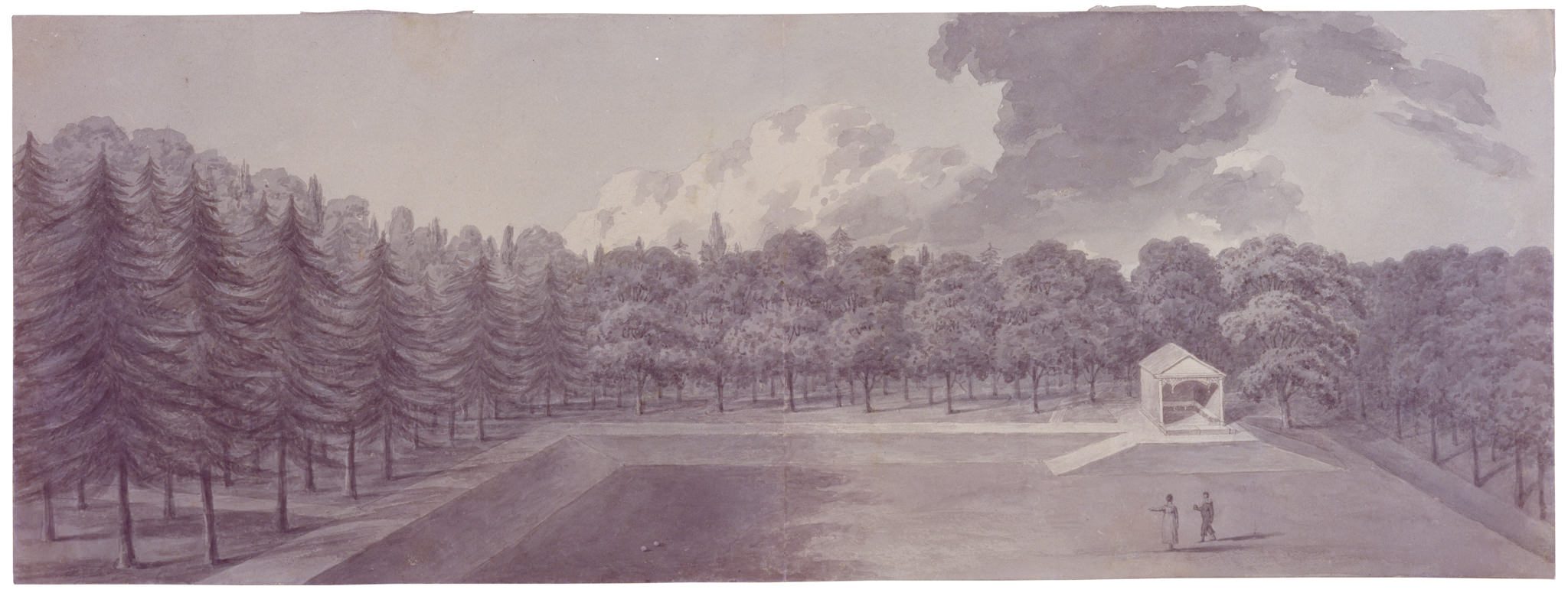
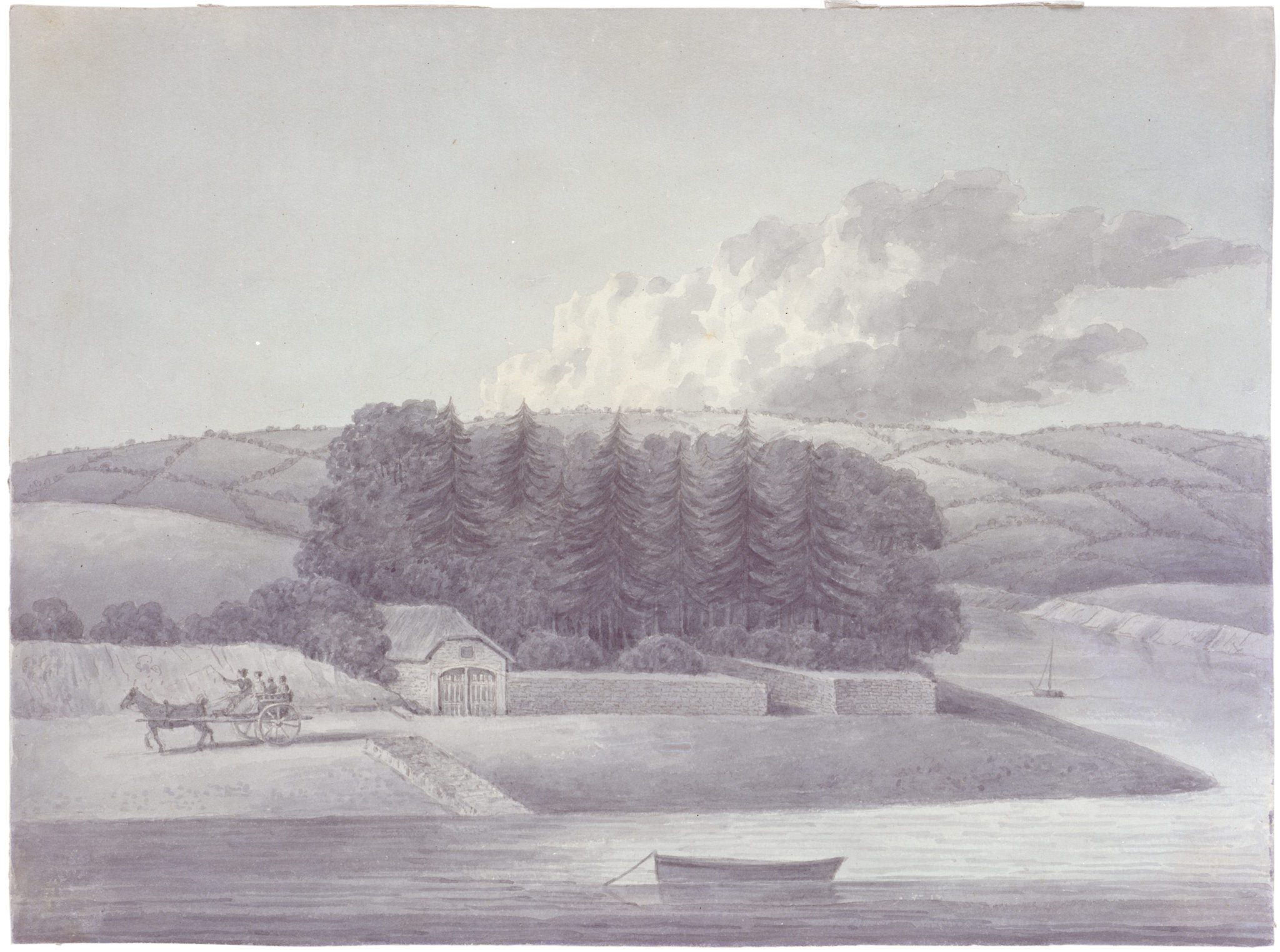
Drawings by Mary Crease, heiress of Ince. Who was Mary Smith Crease?
From the 1840s the house was let as a farmhouse to the Pryn family, and the area to the south was a working farmyard; it has since become the walled garden. Until the First World War there was no bridge or drive, and supplies came by boat. By 1918 the two northern towers stood roofless, their floors fallen in.
Restoration
Between 1916 and 1918 the house was surveyed, and in 1920 Montagu Eliot, later Earl of St Germans, and his wife bought it. Their architect, Ernest Newton, a founder member of the Art Workers' Guild, rebuilt the range between the southern towers and added new service rooms to the north. From 1922 until 1937 Ince was the home of Bobby Somerset, the yachtsman whose Jolie Brise won the Fastnet race three times and who, in 1932, rescued ten men from a burning schooner in mid-Atlantic. After him came James Bryce Allen and his wife, the actress Rita Jolivet, a survivor of the Lusitania.
The Boyds and the garden
In 1960 Alan Lennox-Boyd, later the first Viscount Boyd of Merton, and his wife Lady Patricia bought Ince. Over forty years she made a garden on a windswept site with little topsoil: woodland to the north-east, a formal garden to the south-west, and the shell house, lined with some 2,500 shells. She also brought the hand-painted Chinese wallpaper to the house.
Fire, and rebuilding
In 1988, five years after Lord Boyd's death, fire swept through Ince and destroyed almost all of its interiors, leaving little more than the brick shell. Patricia, Lady Boyd, rebuilt the house, to designs by the architect Anthony Jaggard, with her son and daughter-in-law, the present Lord and Lady Boyd, who lived at Ince from 1994 until 2018 and reshaped the front lawn to open the views to the river.
Today
We bought Ince in 2018. It is our family home and a working estate once more: the land is farmed organically, the kitchen garden feeds the house, and hope to be worthy successors to the Boyd family, whose care for the gardens spanned more than half a century.
Sources
Bob Edwards, Ince Castle Heritage Statement (Forum Heritage Services, 2019), drawing on Stephen Roberts, "The New Builte Brick House": The Early History of Ince Castle (Exeter University) and Christopher Hussey in Country Life (1967); the Historic England list entry (no. 1329260); Historic England and Cornwall Council conservation advice (2022); Pevsner and Beacham, The Buildings of England: Cornwall (2014); Country Life (2018); Katy and Milo Campbell, At Home in Cornwall (Abrams, 2026); Cornish Garden Stories.